
At Joseph Locke Primary School, we use Maths — No Problem! to support the teaching and learning of mathematics. The scheme helps children develop a deep understanding of mathematical concepts, become confident problem-solvers and recognise how maths is used in everyday life.
Our approach encourages children to explore ideas, explain their thinking, learn from mistakes and work collaboratively with others. We want every child to develop the knowledge, skills and confidence they need to succeed in mathematics.
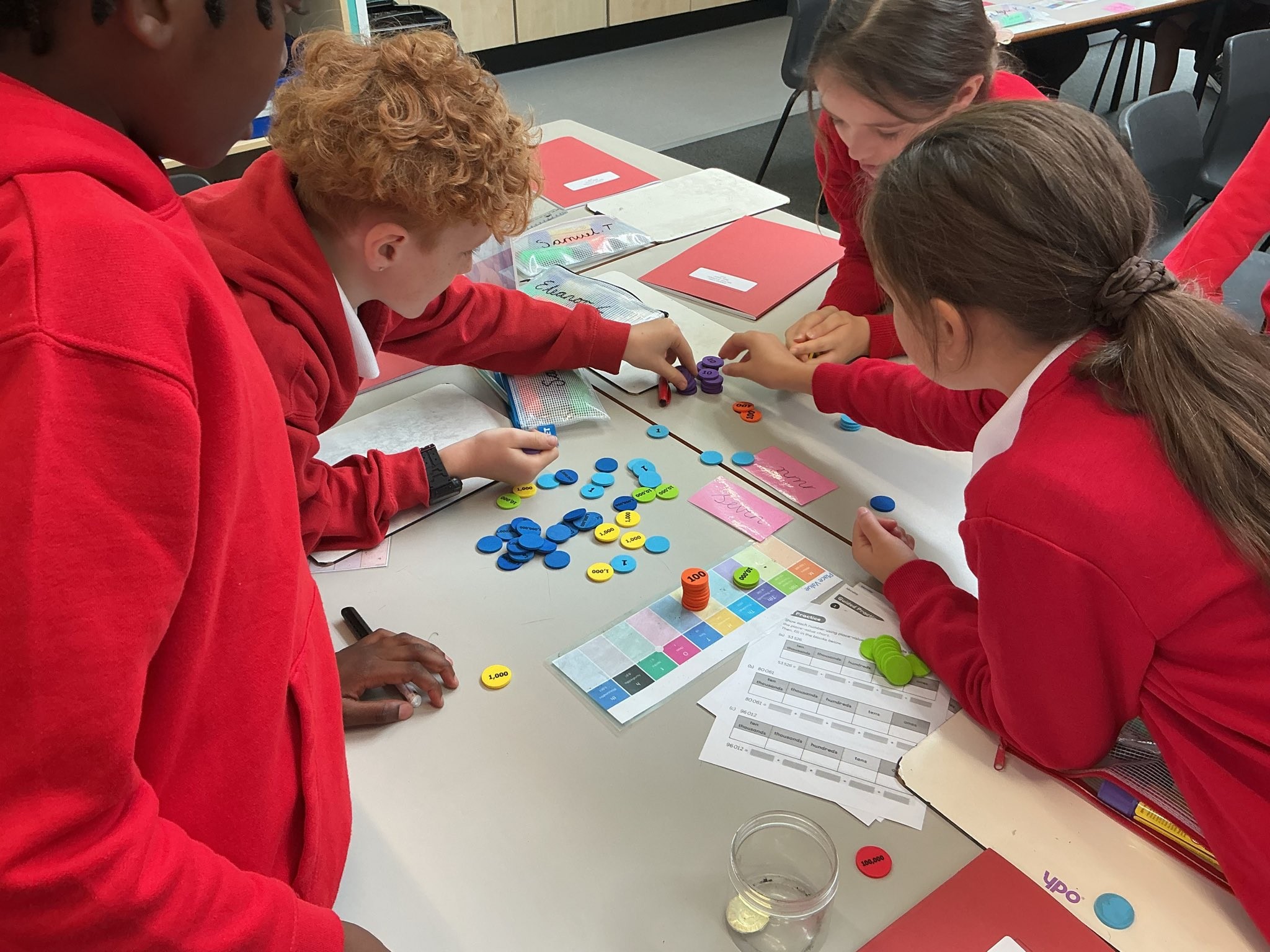
Maths — No Problem! uses a mastery approach to teaching mathematics. This means that children are supported to develop a secure understanding of a concept before moving on to more challenging learning.
Rather than simply memorising rules or procedures, children explore why mathematical methods work. They are encouraged to investigate, make connections, explain their reasoning and apply their knowledge to different problems.
Three important elements underpin this approach:
Concrete: Children use practical equipment, such as counters, cubes and place-value materials, to explore mathematical ideas.
Pictorial: Children use pictures, diagrams and visual representations to help them understand and explain what they notice.
Abstract: Children use numbers, symbols and mathematical calculations to represent their understanding.
These approaches work together to help children move from practical experiences to visual representations and, eventually, more abstract mathematical thinking.

Lessons are designed to encourage children to think deeply, explore problems and explain their reasoning. A typical lesson includes the following stages:
1. Explore
Children begin by investigating a mathematical problem. They may use practical equipment, work with a partner or try different approaches to find a solution.
2. Discuss
Children share their ideas, explain how they approached the problem and listen to different strategies. Teachers use questioning and discussion to develop understanding and address misconceptions.
3. Practise
Children develop their understanding through guided and independent activities. They apply what they have learnt to a range of questions and problems, building confidence and fluency.
4. Reflect
Children explain what they have learnt and demonstrate their understanding through words, pictures, diagrams or calculations. This helps teachers identify what children understand and where further support may be needed.
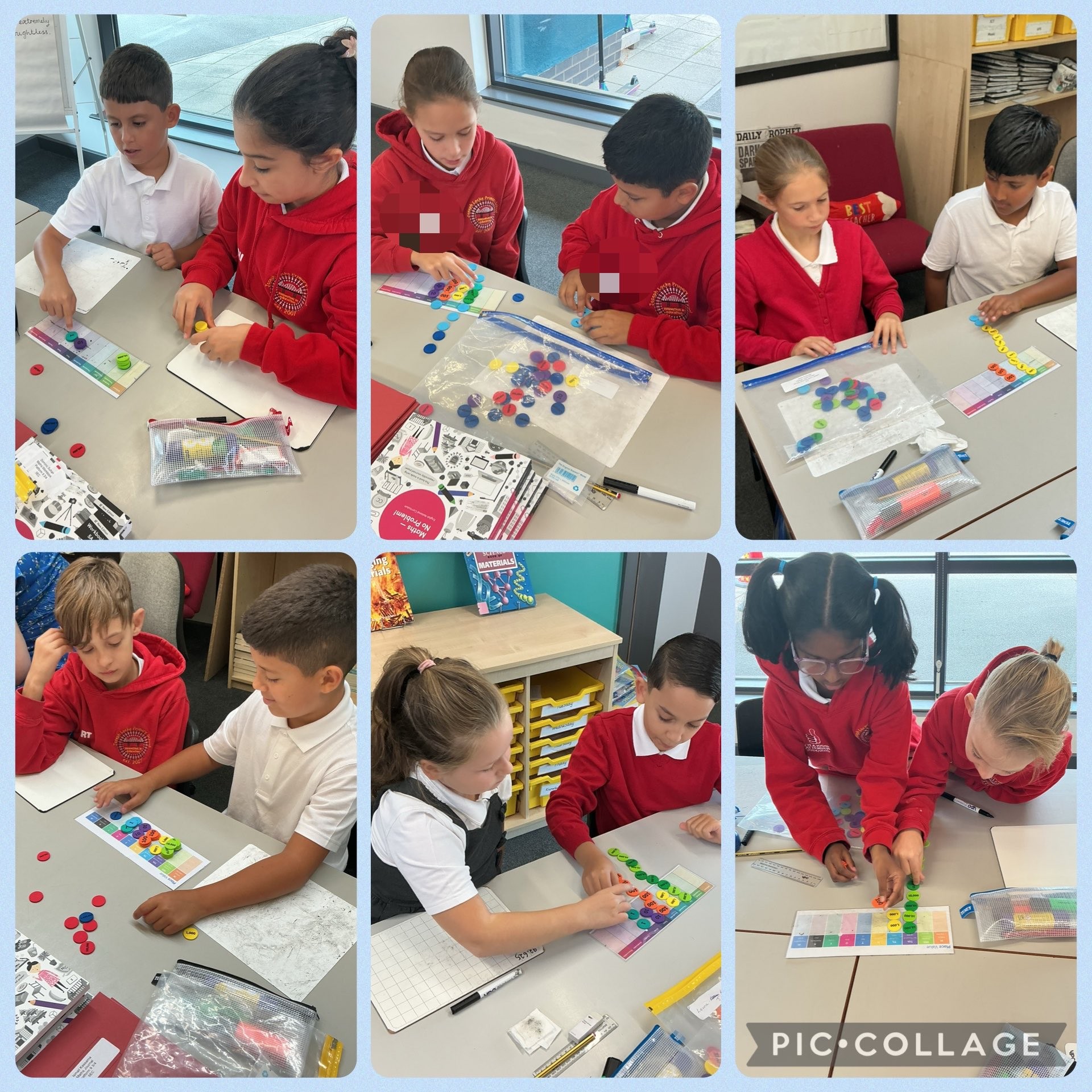
At Joseph Locke, we want children to be able to explain not only what answer they have reached, but also how and why they reached it.
Through Maths — No Problem!, children are encouraged to:
Explain their mathematical thinking using appropriate vocabulary.
Listen to and learn from the ideas of others.
Compare different methods and decide which might be most effective.
Ask questions, investigate possibilities and learn from mistakes.
Develop resilience when faced with a challenging problem.
These opportunities help children become independent thinkers who can communicate their ideas clearly and confidently.
At Joseph Locke Primary School, our aim is for every child to develop a positive attitude towards mathematics and the confidence to tackle new challenges.
Through Maths — No Problem!, we encourage children to be curious, think carefully, work collaboratively and take pride in their mathematical achievements.
Together, we can help every child build the strong mathematical foundations they need for the future.
Find out more: Visit the Maths — No Problem! website to learn more about the approach to teaching and learning mathematics.