
What is oracy?
Oracy is articulating ideas, developing understanding and engaging with others through speaking, listening and communication.
Oracy, like reading, writing and arithmetic, is a foundational skill that ensures students thrive at school and in life. By teaching students to become effective speakers and listeners we empower them to better understand themselves, each other and the world around them.
Voice 21
Here at Joseph Locke, we started the three year development programme with the charity Voice 21 in the school year 2025-26 to ensure that we provide outstanding, high quality oracy education to succeed in school and life.
“Voice 21 is the national charity that supports school to build speaking and listening in to the curriculum, teaching and learning and wider school life”
Our mission statement
Oracy is at the heart of our school community at Joseph Locke Primary: we speak to learn, we listen to understand, and we communicate to lead.
Adults empower children to step up to be heard and step out of their comfort zone, fostering attentive listeners and articulate, thoughtful speakers who can communicate with clarity, confidence, and respect. We support every child to find their voice using high quality talk in a nurturing and language rich environment. Children speak with confidence, listen with empathy, and communicate with clarity
Through carefully planned opportunities for structured talk, debate, discussion and presentation, pupils learn to express ideas clearly, justify opinions and engage respectfully with others so they can thrive not only academically, but in life, equipping them for future meaningful personal relationships and employment.
Oracy Framework
We use the oracy framework tool which breaks effective communication into four interconnected strands: Physical, Linguistic, Cognitive, and Social & Emotional.

Common approaches to learning through talk
Talk Tactics
We use the Voice 21 talk tactics as visual and verbal supports help all learners. They are particularly beneficial for those who may need additional language scaffolds, to engage actively in learning, articulate their ideas clearly and respond thoughtfully to the contributions of others.
Talk Tactics are structured strategies that support high-quality classroom discussion and help children develop their speaking, listening and thinking skills. They include the use of stem sentences, such as "I agree with ___ because..." or "Can you explain your thinking?", which provide pupils with the language needed to participate confidently in discussions. Hand gestures are also used to reinforce communication and understanding; for example, children may use gestures to indicate agreement, build on a point, challenge an idea or signal that they would like to contribute.

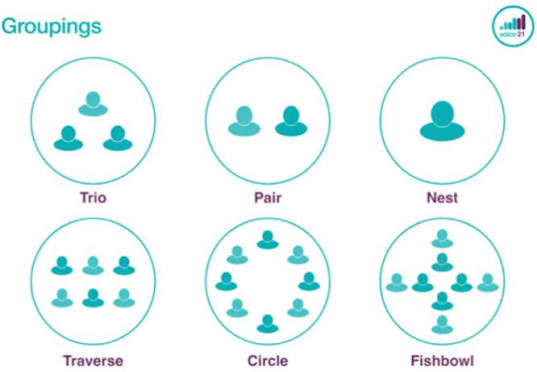
Structured groupings
Structured groupings also planned into lessons as a deliberate chosen ways of organising talk so that all pupils participate and practise different speaking and listening skills. Rather than simply saying "discuss this with your partner", teachers select a grouping that matches the purpose of the discussion.
Individualised Class Oracy Agreements
Each class teacher created their own class oracy agreements along with the children. In doing so, this allowed the children to set their own guidelines and expectations for talk, linking alongside the four aspects from the oracy framework.

Some of the activities we use develop spoken language are:

Oracy opportunities
Each year group plans an oracy experience and performance poem for each half term. Parents are invited along to these performances so that the children develop in confidence when performing in front of an audience.
Performance poetry, which involves reading or reciting poems with emphasis on tone, rhythm, and gesture, offers several multi-dimensional benefits for children’s development.
· They introduce rich language and metaphorical expressions in a short, manageable format, making new words easier to grasp than in long prose.
· The rhythmic and rhyming patterns of poetry help children recognise sound relationships, which is a foundational skill for both reading and spelling
· Learning poems by heart activates memory centres in the brain, developing mnemonic skills that are useful in other areas of school.
· Reciting poetry forces children to focus on how sounds are formed, leading to clearer and more confident speech.

Oracy assessments
Each term, class teacher assess the children in terms of their oracy skills using a set proforma. These whole class Oracy assessments are used to evaluate a child's spoken language and communication skills. These assessments then pinpoint specific strengths and gaps in oral communication so that targeted support can be provided through weekly interventions.
Oracy Lead: Mrs S Wood
Oracy Champions: Mrs J Brock & Miss H Phipps